


Effective Stress Management Techniques for a Healthier Life
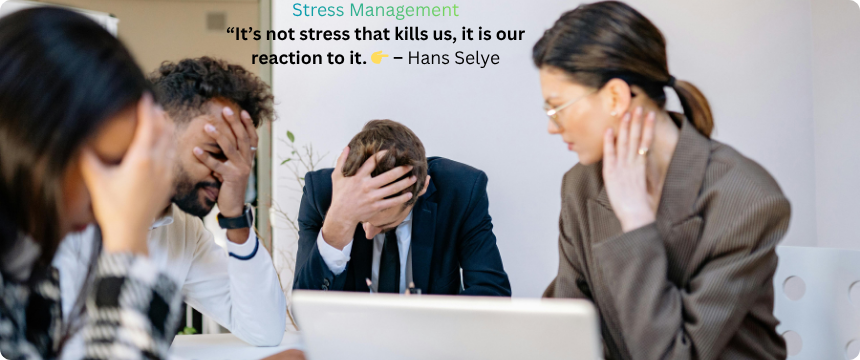
Stress is a normal part of life that affects both the mind and the body. While a little stress can motivate, too much leads to anxiety, fatigue, weak immunity, or heart issues. Fortunately, healthy habits help manage stress effectively. With good stress management, you gain control, maintain focus, and find enjoyment. Try using simple, daily strategies.
Practice Deep Breathing and Relaxation Techniques
When stress raises your heart rate and tension, deep breathing quickly relaxes your body. Taking slow breaths helps you calm down. Try the 4-7-8 method: inhale for 4 seconds, hold for 7, and exhale for 8. Repeat this cycle a few times until you feel calmer. Alongside breathing, practices such as meditation, mindfulness, or muscle relaxation help keep you focused and clear-headed.
Stay Physically Active to Release Stress
Being active is a great way to manage stress, support your body, and improve your mood. Activities like walking, jogging, cycling, or dancing release endorphins, helping you feel better and more energetic. Even a 15 to 20-minute walk can clear your mind. Try to make exercise a regular part of your routine. Being overworked, having too many responsibilities, or an imbalance between career and personal life are common sources of stress. Defining clear boundaries protects your mental health. Set specific work hours and avoid checking emails or messages outside those hours. Mark the end of your workday with small habits, such as taking a walk, listening to music, or spending time with family. These routines help you shift from work to relaxation, making stress easier to manage.
Build Strong Social Connections and Support Systems
After using self-care strategies, build strong social ties to manage stress. Talk with friends, family, or coworkers for comfort and perspective during tough times. Support from others helps you feel less alone. Build connections by chatting, sharing meals, or joining group activities. If stress overwhelms you, consider joining a local group or seeking professional help.
Whether you use personal strategies or reach out to others for support, remember you don't have to handle stress alone and asking for help is a sign of strength.
Stay Consistent and Prioritise Your Well-Being
Managing stress takes regular effort and self-awareness. Notice your stressors and build coping habits. To put this into practice, simple actions like taking breaks, living healthily, and practising gratitude can make a big difference over time.
As you develop these habits, remember that prioritising your well-being is a powerful choice. The consistent use of these techniques not only helps you feel more in control but also builds resilience for future challenges. By committing to balance and self-care, you are actively choosing a healthier, more fulfilling life—one where you are empowered to thrive, not just to cope.
====== End ======